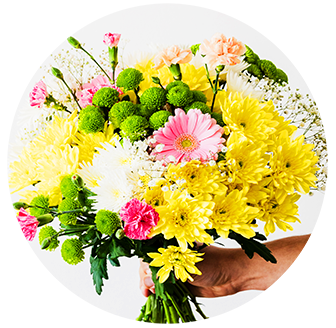
Discover Methods to Care for Cut Flowers
Posted on 04/07/2025
Cut flowers have the power to brighten up any space, bring joy to hearts, and create a welcoming atmosphere in your home or office. However, the challenge lies in keeping these beautiful blooms looking fresh and vibrant for as long as possible. Whether you've purchased a bouquet from the florist, received fresh flowers as a gift, or brought in blossoms from your own garden, proper care for cut flowers is essential. This comprehensive guide will help you discover methods to care for cut flowers and ensure their longevity.
Why Is Proper Care Important for Cut Flowers?
Flowers, once cut, are separated from their primary source of water and nutrients - their roots. Without this connection, their lifespan is drastically shortened. However, with effective methods to care for cut flower bouquets, you can significantly extend their vibrancy and freshness. Understanding why flowers wilt and how to slow down this process is key to enjoying your arrangements for days or even weeks.
- Prolongs Freshness: Right care keeps your blooms looking radiant for a long time.
- Prevents Bacterial Growth: Clean water and vases reduce the risk of harmful microorganisms speeding up decay.
- Enhances Visual Appeal: Healthy petals and stems keep your home or venue aesthetically pleasing.

Essential Steps to Prepare Your Flowers
1. Cut Stems Properly
Always recut stems at a 45-degree angle before placing them in water. This creates a larger surface area, allowing for enhanced water uptake. Use a clean, sharp knife or pruning shears to avoid crushing the stem, which can impede water absorption.
2. Remove Lower Leaves
Any leaves that will be submerged in water should be removed. This prevents bacterial growth caused by decaying foliage. Leaving leaves below the waterline can make the water murky and reduce flower longevity.
3. Choose the Right Vase
Select a vase that complements the size and style of your fresh flower arrangement. Always ensure the vase is thoroughly clean to eliminate any lingering bacteria that could shorten the life of your flowers.
Best Water Practices for Cut Flower Arrangements
1. Water Temperature Matters
Most cut flowers prefer water that's room temperature or slightly warm. However, some varieties like tulips and peonies last longer if kept in cool water. Check care instructions specific to your flowers whenever possible.
2. Add Flower Food
Almost every bouquet from a florist comes with a packet of flower preservative. This mixture typically contains sugar, acidifier, and a biocide. These components provide nutrients, maintain the right pH level, and prevent bacterial growth. If you've created your own bouquet and don't have flower food, you can make a DIY version at home:
- Mix 1 quart water with 2 tablespoons lemon juice, 1 tablespoon sugar, and 1/2 teaspoon bleach.
3. Change Water Regularly
Changing the water every two days is crucial for keeping cut flowers fresh. Clean the vase each time to remove any residue, then replenish with fresh water and more flower food if available.
Managing Temperature and Environment
1. Avoid Direct Sunlight and Heat
Display your bouquets away from direct sunlight, radiators, or heat-producing appliances. Extreme temperatures cause flowers to wilt or dry out more quickly. A cool spot with indirect light is ideal for most fresh blooms.
2. Keep Away from Fruit Bowls
Ripening fruits such as bananas and apples release ethylene gas, which accelerates the aging of flowers. Store arrangements far from fruit to prolong their life.
3. Control Humidity
While most cut flowers benefit from moderate humidity levels, excessive dampness can encourage mold or rot. Strike a balance to maintain flower longevity.
Special Care Tips for Different Types of Cut Flowers
1. Roses
- Recut stems underwater to prevent air bubbles from entering the xylem (water-conducting vessels).
- Remove thorny stems gently to avoid damaging the main stem.
- Use flower food to supply essential nutrients.
2. Lilies
- Remove stamens (the pollen-producing anthers) to reduce staining and extend bloom life.
- Handle delicately, as petals bruise easily.
3. Daisies & Mums
- Remove all foliage from water.
- Keep the water clean to reduce bacteria.
4. Tulips
- Keep stems upright by wrapping in paper and leaving in cool water for a few hours.
- Avoid mixing with daffodils, as daffodils secrete sap that shortens tulip life.
Common Mistakes to Avoid When Caring for Cut Flowers
- Using dirty vases or tools - ensures the spread of bacteria, leading to sickly blooms.
- NOT cutting stems at an angle - reduces water absorption. Always use sharp, clean scissors or knives.
- Submerging foliage in water - invites decay and odor.
- Overcrowding the vase - restricts proper airflow and increases risk of rot.
- Ignoring water changes - murky water accelerates flower wilting.
- Placing flowers near heating or cooling vents - speeds up dehydration.
Natural Methods and Eco-Friendly Flower Care
1. Make Use of Household Ingredients
Don't have commercial flower food? Try these natural solutions:
- Apple cider vinegar and sugar: Add 2 tablespoons apple cider vinegar and 2 tablespoons sugar to the vase water for a homemade flower preservative.
- Aspirin: Dissolve one crushed aspirin tablet in the water to help extend freshness.
2. Stay Green - Compost Spent Blooms
Once your flowers begin to fade, compost them instead of throwing them away. This gives back nutrients to your garden and eco-system.
Advanced Tips: Maximizing the Lifespan of Your Fresh Flower Bouquets
1. Mist the Flowers
Some blooms, especially tropical varieties and delicate petals, benefit from gentle misting. Lightly spritz flowers with water to maintain moisture levels and freshness, particularly in air-conditioned or dry environments.
2. Condition Flowers Overnight
Before making an arrangement, leave stems hydrated in a cool, dark place overnight.
3. Use Charcoal or Copper Coins
Adding a small piece of charcoal or a copper coin to the vase can help keep water clear due to their antimicrobial properties.
4. Remove Wilting Flowers
Remove any flowers or foliage showing signs of decay promptly. This stops the spread of bacteria and keeps the remaining stems in optimal condition.

Addressing Frequently Asked Questions about Flower Care
How long do cut flowers typically last?
Most flowers last between 5-14 days, depending on the species and care routine. Roses and lilies usually last around 7 days, while chrysanthemums and carnations can look fresh for up to two weeks or more.
Is cold water or warm water better for cut flowers?
Generally, room temperature water is best for most arrangements. Some flowers like a cool soak, so always check for specific recommendations for optimal cut flower care.
Why do my flowers wilt so quickly?
Most often, wilting is caused by air in the stems, dirty water, or exposure to high temperatures or ethylene gas. Remember to cut stems, change water regularly, and store away from heat and ripening fruit for best results.
Conclusion: Making the Most of Your Cut Flowers
With these comprehensive and effective methods to care for cut flowers, you can savor the beauty of your bouquets and fresh floral arrangements much longer. Keep your vases clean, cut stems at an angle, use appropriate water solutions, and pay attention to placement and environment. Whether you're a flower enthusiast or simply want to extend the joy of a gifted bouquet, these flower preservation techniques ensure every petal stays vibrant. Remember, proper care starts from the moment flowers are cut to the time they leave your home. Embrace these sustainable and easy-to-adopt cut flower care tips to keep your living spaces bright and welcoming every day.
Now that you've discovered a variety of ways to care for your fresh and vibrant floral arrangements, your bouquets are sure to last longer and look more beautiful than ever!
Latest Posts
Unravel the Mysteries of Your Birth Flower
Poinsettia Care Guide for Extended Longevity
Vibrant Flowers to Enhance Birthday Celebrations